Odor Treatment That Works From the Source Out
Pet odor removal in Belton for vehicles where standard cleaning has left embedded odor in upholstery and cabin systems
Standard interior cleaning removes visible debris but does not address the organic compounds embedded in fabric fibers and ventilation pathways that produce persistent pet odor. Trevino's Auto Detailing treats pet odor by targeting the source directly, using odor-neutralizing solutions that break down organic material rather than covering it with fragrance. Pet hair, urine, and the biological residue left behind by regular animal transport accumulate in upholstery and can reach ventilation systems when the compounds become airborne—masking those sources with deodorizing sprays leaves the underlying chemistry intact and the odor returns within days.
The process at Trevino's begins with complete interior extraction and vacuuming to physically remove hair and debris before any chemical treatment is applied. Affected fabrics and panels are then treated with solutions formulated to break down the organic compounds responsible for odor at the molecular level. For vehicles with severe or long-standing odor, the treatment extends to the ventilation and cabin air system, addressing pathways where odor compounds have been drawn through and deposited. The interior is then conditioned and dried. This service is typically combined with an interior reset detail so that odor source treatment and full cabin restoration are completed together rather than leaving the interior partially addressed.
Set up a mobile appointment with Trevino's Auto Detailing to have your vehicle's interior inspected and an odor treatment approach determined based on the actual condition of the upholstery and cabin systems.
How Pet Odor Removal Addresses What Cleaning Alone Misses
The reason pet odor persists after a standard interior cleaning is that extraction removes physical debris—hair and surface residue—while leaving the organic compounds that have wicked into fabric fibers, foam padding, and seams. Urine in particular follows a path downward through seat fabric and into the foam substrate below, which standard extraction cannot reach. An odor-neutralizing treatment applied to the fabric surface must be allowed to penetrate to where the compounds actually sit; a product that simply deposits fragrance on top does not reach that layer and the odor-producing compounds continue to off-gas as the vehicle warms during use.
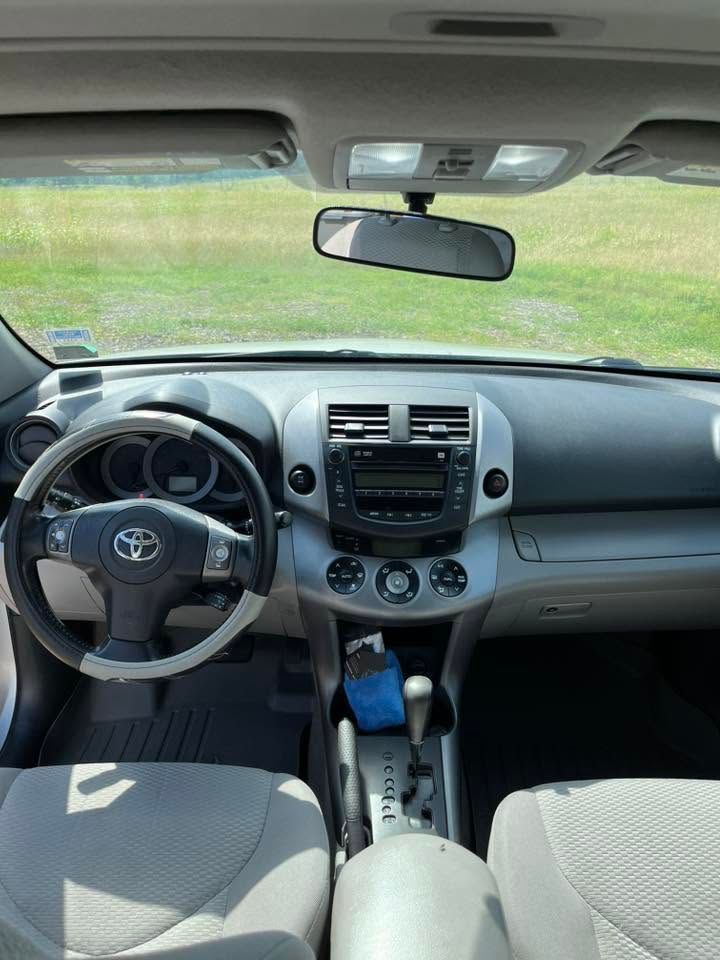
After a complete pet odor treatment combined with an interior reset detail, the cabin returns to a neutral baseline—no fragrance masking, no residual biological odor from pet use. Fabric surfaces that previously held the distinct warm smell of animal transport register as clean and neutral. For vehicles where the ventilation system was involved in the treatment, running the HVAC no longer reintroduces odor into the cabin air. That result is only achievable when the treatment reaches the actual source rather than depositing scent on top of it.
Trevino's Auto Detailing is veteran-owned and operated and delivers the service mobile to your location in Belton. Because odor severity varies considerably depending on how long the vehicle has been used for pet transport and whether urine is involved, the inspection at the start of the appointment shapes which treatment steps are required and whether ventilation system treatment is necessary alongside the fabric and panel work.
What Pet Owners Ask About Odor Removal
Pet odor in vehicles is a specific problem that requires a different approach than general interior cleaning, and the questions below address how the treatment is performed, what it covers, and what makes it different from what an interior clean alone accomplishes.
How does pet odor treatment differ from a standard interior cleaning?
A standard interior cleaning removes visible hair and debris through extraction and vacuuming; odor treatment adds a chemical neutralization step that breaks down the organic compounds embedded in fabric fibers and foam rather than simply removing surface material or applying fragrance over the source.
What causes pet odor to return after the interior has been cleaned?
Odor-producing compounds from urine and biological residue wick below the surface layer of fabric into foam padding and seam areas that standard extraction does not reach; those compounds continue to off-gas as the vehicle's interior warms, which is why fragrance-based deodorizers provide only temporary relief.
When does pet odor treatment need to include the ventilation system?
If odor is detectable when the HVAC is running or if the vehicle has had heavy, long-term pet use, the cabin air and ventilation pathways are treated in addition to fabrics and panels; odor compounds that have been drawn through the ventilation system deposit on internal surfaces and reintroduce odor into cabin air if left unaddressed.
Why is pet odor removal typically combined with an interior reset detail?
Pet odor treatment addresses the chemical source of odor while an interior reset detail addresses the physical condition of all cabin surfaces—combining them in one appointment means the interior is both chemically neutral and fully cleaned rather than odor-treated on top of surfaces that still carry hair, staining, or accumulated debris.
How can you confirm that pet odor treatment has been effective?
A successful treatment produces a cabin that is odor-neutral at ambient temperature and remains neutral when the HVAC system runs; Belton-area vehicles used regularly for dog transport will typically test this within the first warm day of driving after the service, when heat accelerates off-gassing from any remaining organic material.
Trevino's Auto Detailing also performs pet odor removal in Temple, Waco, Killeen, and Salado. If your vehicle has persistent odor that previous cleaning has not resolved, schedule a mobile inspection with Trevino's Auto Detailing to identify the source and determine the appropriate treatment scope.