Paint Clarity Restored Through Correction and Protection
Polishing and waxing service in Belton for paint that has dulled, oxidized, or lost depth since the last detail
Polishing and waxing address two different conditions in sequence: polishing corrects what has already gone wrong with the paint surface, and waxing protects what the polishing restores. Trevino's Auto Detailing performs both as part of a structured exterior process in Belton that begins with decontamination rather than applying product to a surface that still holds bonded contamination. Vehicles showing flat or chalky paint, visible swirl marks under direct light, or a finish that no longer beads water are candidates for correction before protection makes sense to apply.
Polishing is performed on clean, decontaminated paint—chemical decontamination and clay treatment happen first to strip bonded surface deposits so the polish works against actual oxidation and scratching rather than sitting on top of contamination. The polishing stage removes oxidation, swirl marks, and minor surface scratches by working the clear coat to restore its original optical clarity. Waxing follows immediately, laying down a protective layer that adds depth and gloss while creating water-beading behavior that slows how quickly new contamination bonds to the restored surface. Both steps are available together as part of the exterior reset detail or as a standalone refresh on vehicles that need corrective work between full-service intervals.
Request an evaluation of your current paint condition to determine whether polishing alone addresses the visible damage or whether additional correction is needed before wax is applied.
How Polishing and Waxing Work at the Surface Level
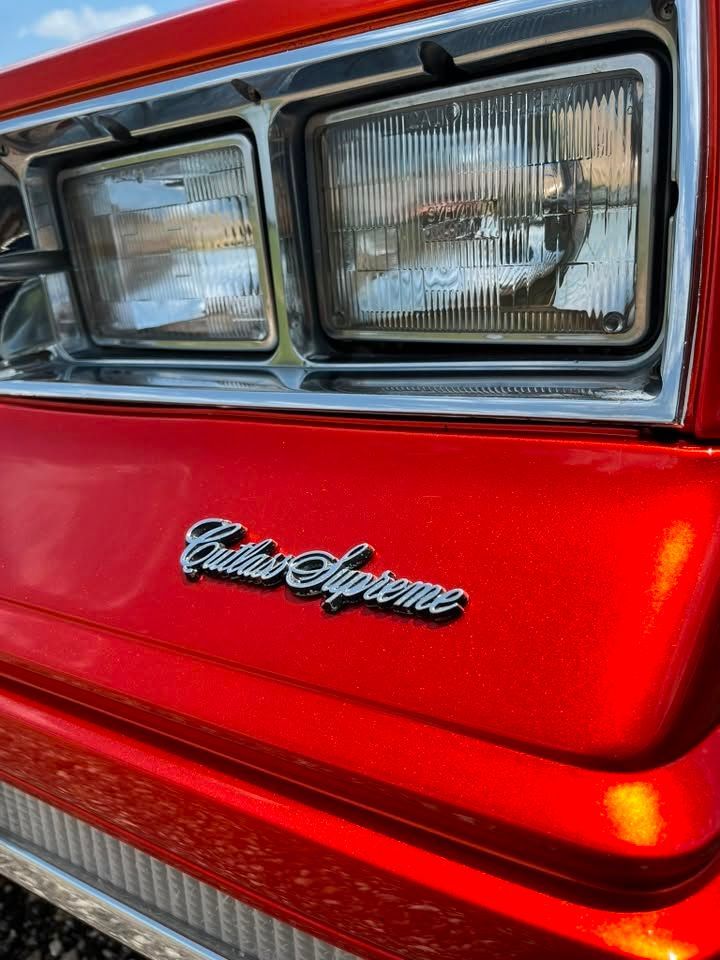
Oxidation develops when UV exposure and environmental contamination break down the upper layer of the clear coat, scattering light instead of reflecting it evenly—which is what makes paint look flat rather than glossy. Polishing uses a mild abrasive to level that degraded layer and expose the clearer material underneath. The degree of correction possible depends on how deep the oxidation has penetrated, which is evaluated during the prep inspection; surface oxidation polishes out fully, while deeper damage may require a more aggressive cut before a finishing polish restores the surface.
After polishing, the paint reflects light with noticeably more depth and consistency—swirl marks that were visible under overhead or direct lighting disappear or reduce significantly, and the color looks saturated rather than faded. Wax applied over that corrected surface then extends the restoration by preventing new contamination from bonding directly to the clear coat, giving each wash cycle a better starting point. Neighborhoods like Harker Heights and Nolanville see heavy daily driving that keeps road film cycling onto paint surfaces, making wax longevity between services a practical concern rather than a cosmetic one.
Wax is not a permanent solution—it wears off within weeks to a few months depending on wash frequency and driving conditions, which is why paint protection coating applied after polishing provides a longer-lasting sacrificial layer for vehicles where maintaining the restored finish matters. Polishing and waxing as a standalone service is well-suited to vehicles that need a visible correction now, with the option to layer in more durable protection at a subsequent appointment.
What Property Owners Ask About the Work
Polishing and waxing involve decisions about how aggressively to work the paint and what protection to apply once correction is done. The following questions cover the process, the sequencing, and what to expect once the service is finished.
What has to happen to the paint before polishing begins?
The paint must be fully decontaminated first—chemical cleaning and clay treatment remove bonded surface deposits so the polish corrects actual oxidation rather than working around embedded contamination that would interfere with the result.
How do you determine how aggressively to polish a vehicle's paint?
The pre-service inspection evaluates oxidation depth and scratch severity; light oxidation requires only a finishing polish, while deeper swirl marks or surface scratches need a more aggressive compound cut followed by a finishing stage to restore clarity.
Why does wax application follow polishing rather than stand alone?
Freshly polished paint has had its protective layer abraded to remove damage, leaving it more vulnerable to contamination bonding; wax applied immediately after seals that restored surface and slows re-oxidation between detail appointments.
What will the paint look like differently after polishing is done?
Swirl marks visible under direct or overhead lighting reduce significantly or disappear, flat or chalky areas regain depth and color saturation, and the surface reflects light evenly rather than scattering it—changes that are visible in ordinary daylight, not just under inspection lighting.
When does a vehicle need polishing rather than just a thorough wash and wax?
Washing removes surface contamination but does nothing to the clear coat itself; if the paint looks dull after washing, shows visible swirl patterns, or has lost the ability to bead water, those are signs of clear coat degradation that only a corrective polish addresses.
Trevino's Auto Detailing operates as a mobile service with same-day availability, bringing the full polishing and waxing process to your location in Belton without requiring a shop appointment. Trevino's Auto Detailing also performs polishing and waxing in Temple, Waco, Killeen, and Salado. Call (254) 493-9001 to describe your paint condition and schedule a visit.